

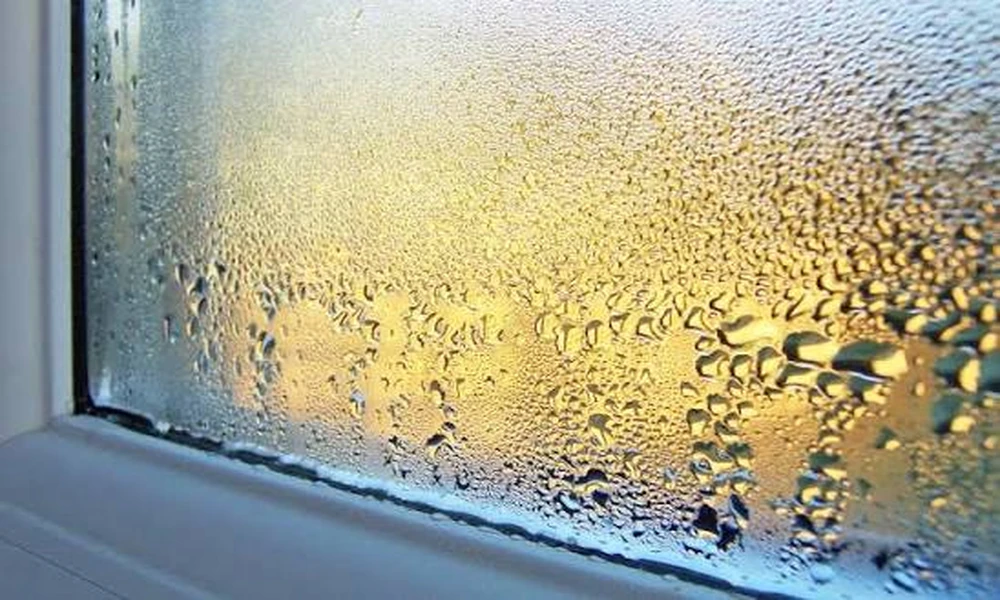
Water damage rarely ends when the leak stops. Water that soaked into drywall, baseboards and the concrete slab keeps doing damage after the floor looks dry. In places where the outdoor air is warm and heavy most of the year, drying a home takes longer and needs more care than most homeowners expect.
Restoration crews who work across Miami, Fort Lauderdale and Boca Raton, such as Water Resto USA, deal with this problem every week. A burst supply line in a Kendall condo and a roof leak in a Hollywood ranch house both face the same obstacle: the air around the house is already close to full of moisture. That changes which drying methods work and which ones make things worse.
Federal guidance sets a short window. The EPA’s A Brief Guide to Mold, Moisture and Your Home says water-damaged areas and items should be dried within 24 to 48 hours to prevent mold growth. In a humid climate, that window is hard to meet without a plan.
Opening the Windows Can Backfire
In dry inland areas, opening the windows and running fans is a decent first step. Moist indoor air leaves and drier outdoor air comes in. In coastal Florida, it often works the other way.
When outdoor air sits at high humidity, opening the house lets more water vapor in. Fans then push that damp air across wet surfaces, which slows evaporation. Wet drywall can stay wet for days, and the musty smell gets stronger.
Professional drying keeps the house closed. Dehumidifiers pull water out of the indoor air, air movers push that drier air across wet materials, and the air conditioning keeps running when the system is clean and was not affected by the water. The EPA advises keeping indoor humidity below 60 percent, ideally between 30 and 50 percent. Hitting those numbers in a sealed, controlled space is realistic. In a house with every window open on a muggy afternoon, it is not.
Where Water Hides After a Leak
Water spreads farther than the stain shows. It moves sideways under flooring and climbs up porous materials. Most homes in the region are built on concrete slabs and often have tile or terrazzo floors, so the hiding spots are fairly predictable:
- Drywall wicks water upward, sometimes 12 inches or more above the visible waterline
- Baseboards and door casings soak up water from behind, where you can’t see it
- Kitchen and bathroom cabinet bases, especially the toe kick space under the bottom shelf
- Grout lines and the thinset under tile, which can hold water above the slab
- Wall cavities behind tub surrounds and shower pans
- Carpet pad, even after the carpet surface feels dry to the touch
This is why a moisture meter matters more than a hand on the wall. Technicians usually take readings from a dry, unaffected room first to set a baseline for that house. Wet areas count as dry only when their readings match that baseline. Surface dryness does not.
The Type of Water Changes the Job
Not all water damage is the same. The restoration industry sorts water into three categories by contamination level. These categories shape every decision that follows.
Clean water comes from sources like a broken supply line or an overflowing sink with no waste in it. Gray water carries some contamination, such as a washing machine discharge or a dishwasher leak. Black water includes sewage backups and floodwater that has traveled over the ground. It can carry bacteria and other harmful material.
The category also changes over time. Clean water left sitting in a warm house for a couple of days can degrade into a more contaminated category as bacteria multiply. Heat speeds that up. This is one more reason quick action matters so much in a warm climate.
With clean water, most structural materials can often be dried in place. With black water, porous items such as carpet, pad and the lower section of drywall usually need to be removed and thrown away, not dried.
Hurricane Season Adds Another Layer
Storm season brings flooding and wind-driven rain, and it often brings power outages too. Drying equipment needs electricity. A home that floods during a storm and then loses power for three days can miss the 48-hour window entirely.
Homeowners who live through a few storm seasons tend to prepare for this. Some keep a generator sized to run at least a dehumidifier. Others take photos and video of every room before storm season, so insurance claims start with a clear record of the home’s condition before damage.
Roof damage is its own problem. Wind can lift shingles or crack tiles without any obvious sign from the ground. Water then gets into attic insulation and comes through the ceiling slowly. A temporary tarp installed soon after the storm limits how much more water gets in while permanent repairs wait for materials and crews, which can be scarce after a major storm.
Paperwork Starts on Day One
Insurance plays a large part in most water damage recovery. Adjusters want proof of what happened, when it happened and what was done about it.
Good documentation starts before any cleanup. Wide photos of each affected room, close-ups of damaged materials and a short video walking through the space all help. Restoration companies usually add daily moisture readings and equipment logs. Those logs show that drying followed accepted standards, and they often answer questions an adjuster would otherwise raise later.
Homeowners also benefit from keeping removed materials, or at least photos of them, until the adjuster has seen them. A cut-out piece of drywall with a clear waterline is more convincing than a description of one.
Mold Is a Moisture Problem First
Mold is what happens when drying fails. Once wet materials stay damp long enough, mold spores already present in nearly every home find what they need to grow. Black mold gets most of the attention, but many types of mold can damage materials and affect indoor air.
Mold cannot be fixed by cleaning alone. If the moisture source stays, the mold comes back. Painting over a moldy surface usually leads to peeling paint and continued growth underneath. Lasting repair means finding the water, drying the structure fully and then removing or cleaning what was affected.
Small, simple jobs on hard surfaces can sometimes be handled by a homeowner with detergent, water and the right protective gear. Larger areas, growth inside walls or anything tied to sewage or floodwater usually needs trained crews with containment equipment.
Small Habits That Protect a Home
Most water damage starts as something small. A slow drip under the sink or a clogged air conditioning condensate line can do real damage over a few weeks. A washing machine hose that has been bulging for months is another common cause.
Checking these spots every few months takes very little time. A cheap humidity monitor in a main living area shows whether the indoor air stays in a healthy range. If readings climb and stay high, there is usually a cause worth tracking down: a struggling AC unit, a hidden leak or poor ventilation in a bathroom.
Water and humidity will always be part of life in a coastal climate. Homes stay dry because their owners act quickly, measure instead of guessing, and treat every leak as more than it looks.