

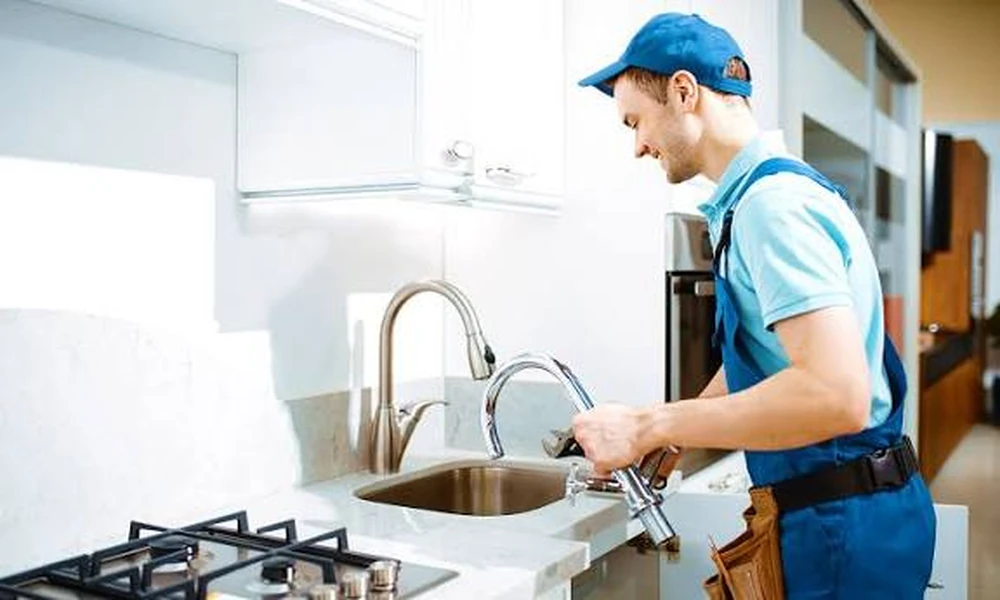
Everyday usage causes plumbing systems to gradually deteriorate, but certain home practices may hasten the process without drawing much notice. Small choices have an impact on the state of pipes, valves, and fixtures, from how people clean their drains to how they use faucets. Many plumbing problems are brought on by repetitive operations that put undue strain on vital components rather than by unexpected mishaps. Homeowners may save maintenance costs, increase water economy, and prolong the life of their plumbing systems by being aware of these practices.
Cooking Oil And Grease Pouring Down The Drain
One of the most harmful plumbing practices is using the kitchen sink to dispose of cooking oil. Grease may seem liquid when heated, but within drainage pipes, it gradually cools and hardens. These deposits eventually gather food scraps and other debris, resulting in obstinate obstructions.
Frequent grease buildup limits the flow of wastewater and raises the risk of recurrent blockages. Used cooking oil should be collected by homeowners in appropriate containers and disposed of in accordance with municipal trash regulations. Another way to avoid accumulation in kitchen drains is to wipe off greasy kitchenware before washing.
Overuse Of Chemical Drain Cleaners
When water starts to drain slowly, chemical drain cleaners provide an easy fix. However, certain plumbing materials, especially older pipes and delicate fittings, might be harmed by continuous use of harsh cleaning solutions.
Additionally, these solutions may not be able to fully eliminate the underlying impediment, which would cause drainage issues to recur. Homeowners might think about using mechanical cleaning techniques or hiring a professional inspector rather than continuously using chemicals.
Whether accumulated debris, pipe degeneration, or deeper sewage line issues are the cause of poor drainage, Houston Plumbing Experts can tell. By addressing the root problem, plumbing components are shielded from needless chemical exposure.
Using Toilets Like Trash Cans In The Home
Toilets are not meant to carry common household items, but rather human waste and toilet paper. Paper towels, cotton goods, flushing wipes, and personal hygiene products may cause major drainage issues.
Products that are advertised as flushable may not disintegrate fast enough to pass through plumbing systems safely. These materials may interact with pre-existing deposits to create challenging blockages or get caught in pipe bends.
A wastebasket placed next to the toilet promotes appropriate disposal and lessens needless strain on the drainage system.
Ignoring Running Toilets And Tiny Faucet Drips
The water drains gradually, a trickling faucet may seem innocuous. On the other hand, repeated pouring may be a sign of deteriorated seals, worn washers, or internal cartridge damage. Ignoring these issues might lead to further wear on the fixture.
Another issue is running toilets. Continuous water flow through the tank may be caused by worn parts, flappers that aren’t working properly, and fill valves that aren’t calibrated correctly.
Fixtures may function effectively for longer periods of time by preventing needless water use via routine examination and prompt replacement of low-cost parts.
Using Too Much Force On Faucets And Valves
When water drips after the tap is shut off, people often turn the faucet knobs too firmly. Regrettably, excessive force may harm functioning mechanisms, valve seats, and internal seals.
In a similar vein, straining a stiff shutoff valve might harm its connections or stem. Fixtures ought to function easily and without extraordinary resistance.
Professional service is often more effective than adding extra pressure when handles become difficult to turn. The mechanical parts that regulate water flow are preserved by gentle operation.
Ignoring Hidden Plumbing Stress And Water Pressure
Faucets, appliance valves, flexible connections, and supply pipes may all be continuously strained by very high water pressure. Strong water flow may seem practical, but higher than recommended operating pressure might hasten component deterioration.
Banging pipes, frequent leaks, and early fixture failures are indicators of possible pressure issues. To find out whether the pressure in your home is within a suitable range, use a pressure gauge.
Homeowners may find pressure abnormalities and decide whether to make modifications or purchase pressure regulation equipment by speaking with Houston Plumbing Experts.
Conclusion
It takes more than just fixing issues as they arise to prolong the life of home plumbing. Unnecessary wear may be greatly decreased by careful water pressure monitoring, gentle fixture operation, proper cleaning techniques, and responsible waste disposal. Making little adjustments to daily habits helps preserve dependable water flow, save priceless fixtures, and reduce unforeseen repair costs. Homeowners may maintain their plumbing systems’ efficient operation for many years with regular maintenance and prompt expert assistance.