

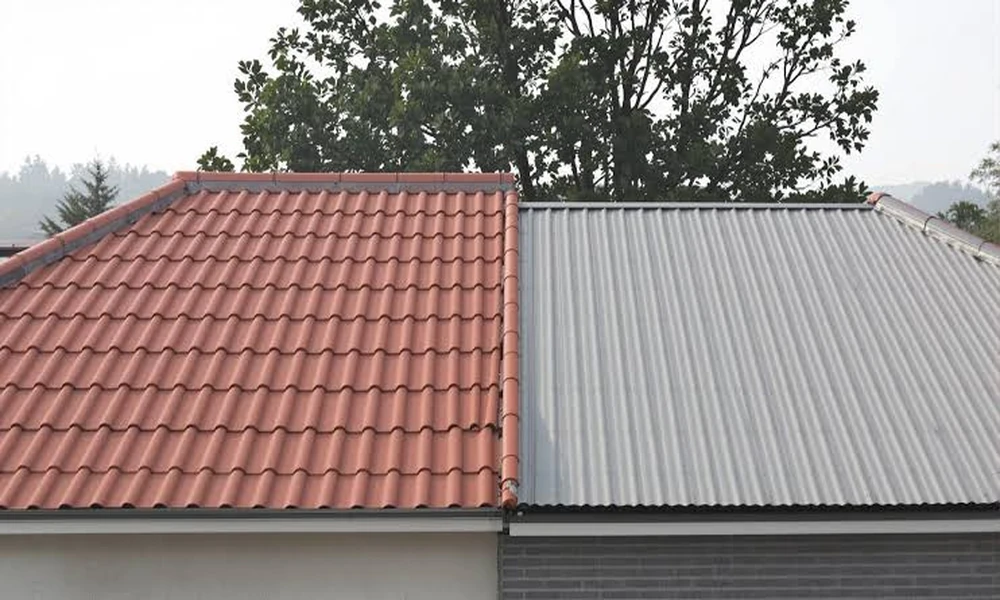
Drive through Alamo Heights, Olmos Park or the older streets near Monte Vista and you’ll see two kinds of roofs again and again. One is the warm curve of clay barrel tile. The other is the clean, straight lines of standing seam metal. Both have been around this region for generations, and both still show up on new builds from Stone Oak to the edges of Boerne. When an aging roof finally needs replacing, many homeowners end up choosing between these two.
That decision is easier with someone who installs both and has no reason to push one over the other. Guardian Roofing & Remodeling is a veteran-owned team with more than thirty years of combined experience and an A rating from the Better Business Bureau. It is a roofing company in San Antonio that works with metal, tile and asphalt systems in neighborhoods across Bexar, Comal and Kendall counties. Its crews see the strengths and weak spots of each material close up, and those details tend to matter more than the brochure photos.
Two Materials With Deep Texas Roots
Clay tile came to this part of Texas with the Spanish missions. Its look still defines the Mediterranean and Spanish Revival homes that fill many San Antonio subdivisions. Today most new tile roofs are made of concrete, which costs less than clay and comes in flat, barrel and slate-style profiles. Clay is still available for buyers who want the authentic color that only fired earth produces.
Metal has a humbler past. Corrugated tin roofs covered Hill Country farmhouses, barns and dance halls long before metal became a design choice. Modern residential metal is a different product. Standing seam panels hide their fasteners under raised seams, and most are made from Galvalume steel or aluminum with baked-on paint finishes rated to resist chalking and fading for decades.
How Each One Handles the Sun
San Antonio summers are hard on any roof, but metal and tile deal with the heat in different ways. Tile relies on mass and airflow. The curved shape of barrel tile leaves a gap underneath, so hot air can move out before much heat reaches the deck. The tile itself absorbs heat slowly and gives it off slowly, which softens the afternoon peak in the attic.
Metal relies on reflection. Light colored and specially pigmented metal finishes bounce a large share of sunlight back into the sky, and they cool off quickly once the sun goes down. Rutgers University’s green building manual on cool roofs explains how reflective roofing lowers cooling loads and peak electricity demand. It also notes that the extra cost is often small compared with the energy savings. One catch is color. A dark bronze metal roof won’t perform like a pale gray one, so the shade you pick changes the outcome a lot.
When Hail Comes Through
This is where the comparison gets interesting. Concrete tile is strong but fairly brittle at the edges. A large hailstone or a falling limb can crack a piece, and a cracked tile lets rain reach the layer below. Clay tile is even more fragile, especially on older roofs where the material has been through decades of heating and cooling.
Metal rarely lets water in after a hailstorm, but it does dent. Thicker panels such as 24 gauge steel resist dents better than thin ones. Many products carry the UL 2218 Class 4 impact rating that some insurers reward. The fine print matters too. Some Texas homeowner policies exclude purely cosmetic damage to metal roofs. That means a dented roof that still keeps water out may not be covered. It’s worth reading that clause before you commit.
The Layer Underneath
Most homeowners never think about underlayment, and with tile it decides how long the roof really lasts. The tiles themselves can last fifty years or longer. The felt or synthetic membrane under them often wears out in about twenty to twenty-five years in Texas heat. When it fails, leaks show up even though the roof looks perfect from the street.
The usual fix is called a lift and relay. Crews carefully remove the tiles, stack them, install new underlayment and set the same tiles back in place. It costs less than a full replacement, but it’s still a major job. Metal roofs need high temperature synthetic underlayment too. Because metal sheds water so well and panels lie flat against the deck, that layer usually lasts as long as the roof.
Living Under Each Roof
Some differences only show up once you’ve lived with a roof for a while. These are the ones that come up most often when homeowners compare the two.
- Weight is the big one. Tile can weigh roughly ten times as much as metal, so a home moving from shingles to tile needs its framing checked first.
- Foot traffic is hard on tile. Satellite installers, HVAC technicians and holiday light hangers crack pieces just by walking across them, while metal handles careful foot traffic without trouble.
- Rain noise is mostly a myth with modern metal over solid decking and attic insulation. The loud tin roof people remember was nailed to open purlins on a barn.
- Repairs to tile mean finding matching pieces, which gets harder as product lines are discontinued. Metal panels are easier to source, though color matching on faded panels can still be tricky.
- Solar panels attach to standing seam metal with clamps that don’t puncture the roof. Mounting them on tile takes special hooks and more labor.
Rules, Restrictions and Curb Appeal
Before anyone measures the roof, check who else gets a say. Many master-planned communities around the city have architectural committees that limit roofing materials, colors and even panel profiles. Some deed restrictions in Boerne and the northern suburbs ask for tile or allow only certain metal finishes. Homes inside San Antonio’s historic districts need approval from the city’s Office of Historic Preservation before the exterior changes, and that includes the roof.
Looks matter even where no committee is watching. A tile roof suits a stucco hacienda in a way metal struggles to match. A standing seam roof on a limestone Hill Country modern home looks just as natural. Putting the wrong material on a house can hurt resale value even when the roof performs well.
Paying Up Front or Paying Over Time
Neither option is cheap compared with asphalt shingles, and prices vary with the profile, the roof’s pitch and how cut up the roofline is. Concrete tile and standing seam metal often land in a similar range per square foot installed. Clay tile usually costs a good deal more. The bigger difference shows up over time. Concrete tile may need one underlayment replacement over its life. Metal mostly needs fasteners checked, sealant touched up and gutters kept clear.
Matching the Roof to the House
No material wins every round. Tile gives a classic look, real heat buffering and a very long life, as long as the hidden layer underneath gets attention when it needs it. Metal gives lighter weight, strong reflectivity, easy solar mounting and simple upkeep, with dents as the trade-off. The best choice depends on the house’s architecture, the framing underneath, the neighborhood rules and how long the owners plan to stay. If you weigh those honestly, the right roof for your house usually becomes clear.