

A dripping tap announces itself every few seconds. A cracked pipe buried under your lawn does not. It can run quietly for weeks or months, wasting water and weakening the ground around your home before anything looks wrong. Understanding how these leaks behave is the first step to catching them before they become expensive.
Why Underground Leaks Go Unnoticed
Most household plumbing above ground is easy to inspect. Underground lines are not. Water mains, irrigation feeds and supply pipes run beneath garden beds, driveways and concrete slabs, so a failure rarely shows itself right away.
Soil also hides the problem. Water from a small crack often drains into the surrounding ground, so there is no puddle to point to. The leak keeps flowing while everything above looks normal.
The Warning Signs to Watch For
Even when a leak is out of sight, it tends to leave clues. Keep an eye out for:
- A water bill that climbs without any change in how you use water
- A water meter that keeps moving when every tap and appliance is off
- Lawn patches that are greener, softer or more lush than the rest of the yard
- Soggy or sunken ground near the pipe route
- Reduced water pressure at taps and showerheads
- The sound of running water when the house is quiet
One sign on its own may have a simple explanation. Two or three together are worth investigating.
What a Buried Leak Can Do to Your Property
The water lost is only part of the story. Constant moisture can wash soil out from beneath paths, driveways and foundations. Over time that movement may contribute to cracking, settling and uneven surfaces.
Leaking water can also travel along the outside of a pipe or through gaps in the soil and surface somewhere far from the actual break. This is why digging where the water appears often leads to the wrong spot, and why guesswork gets costly.
How Professionals Pinpoint the Problem
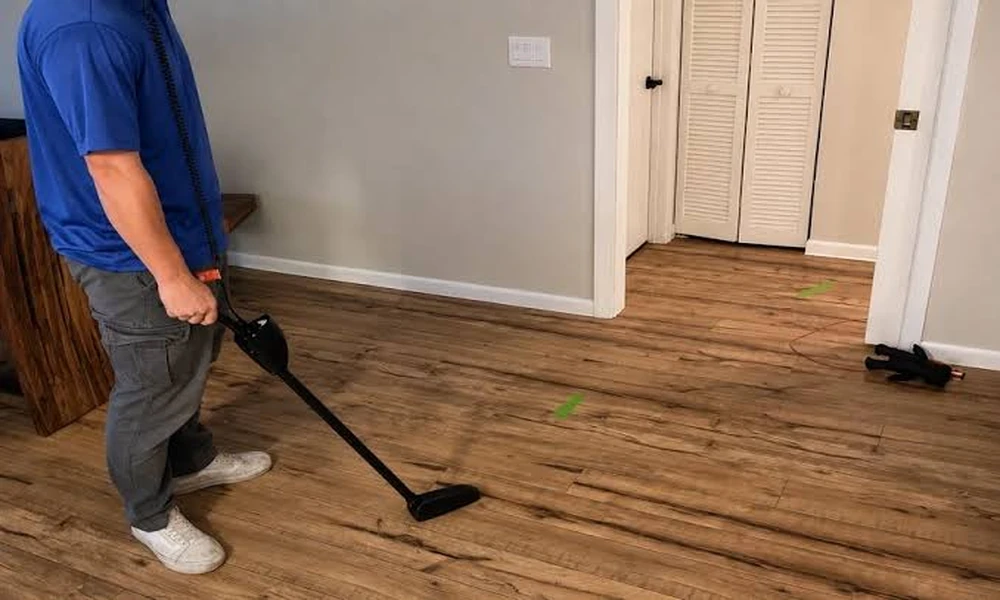
Modern leak detection avoids unnecessary excavation. Trained technicians use specialised equipment to confirm a leak exists and then locate it with precision. Common methods include acoustic listening devices that pick up the sound of escaping water, pipe tracing to follow the line of buried plumbing, and pressure testing to check whether a section of pipe holds steady.
This non-invasive approach is the main advantage of professional underground water leak detection services. Instead of trenching up large areas of garden or concrete, the technician narrows the problem to a small, accurate dig point. That saves time, protects your landscaping and keeps repair costs more predictable.
Why Early Detection Pays Off
A small leak is usually a small repair. Left alone, it can grow as pressure keeps pushing water through the weak point, and the damage spreads with it. Catching the problem early typically means a shorter job, less disruption and less water wasted in the meantime.
There is also a practical benefit at home. Knowing that your plumbing is sound removes a nagging unknown, especially when the bill keeps rising and nobody can explain why. The same applies below the floor: if you notice a musty smell, damp floorboards or unexplained moisture inside, under house water leak detection can check the hidden space beneath your home before timber and structure are affected.
Common Causes Worth Knowing About
Underground pipes fail for several reasons. Age and corrosion weaken older metal lines. Shifting soil, particularly in areas that swing between wet and dry, puts stress on joints. Tree roots seek out moisture and can crack or push apart pipes. Poor original installation and high water pressure can also shorten a pipe’s life.
None of these causes is unusual, which is why a leak does not mean you did anything wrong. It simply means the pipe has reached the point where it needs attention.
Choosing the Right Help
When you suspect a hidden leak, look for a provider who uses proper detection equipment rather than relying on trial-and-error digging. Ask how they locate the leak, whether they provide a clear report, and what happens after the source is found. A reputable team will explain the process in plain language and give you a clear picture of your options before any repair begins.
What Happens After the Leak Is Found
Once the exact location is confirmed, the repair can be planned properly. Depending on the pipe material and the extent of the damage, a plumber may replace a short section, repair a joint or recommend replacing a longer run. Having a precise location means the quote is based on facts, the excavation is limited, and the ground can be reinstated quickly. It is also worth keeping the detection report, since it records where the problem was and can help with future maintenance.
Final Thoughts
Underground leaks are quiet, patient and often expensive. The good news is that they are also detectable. By watching for the early signs, acting promptly and relying on accurate detection rather than guesswork, you can stop a hidden problem before it becomes a major one.