

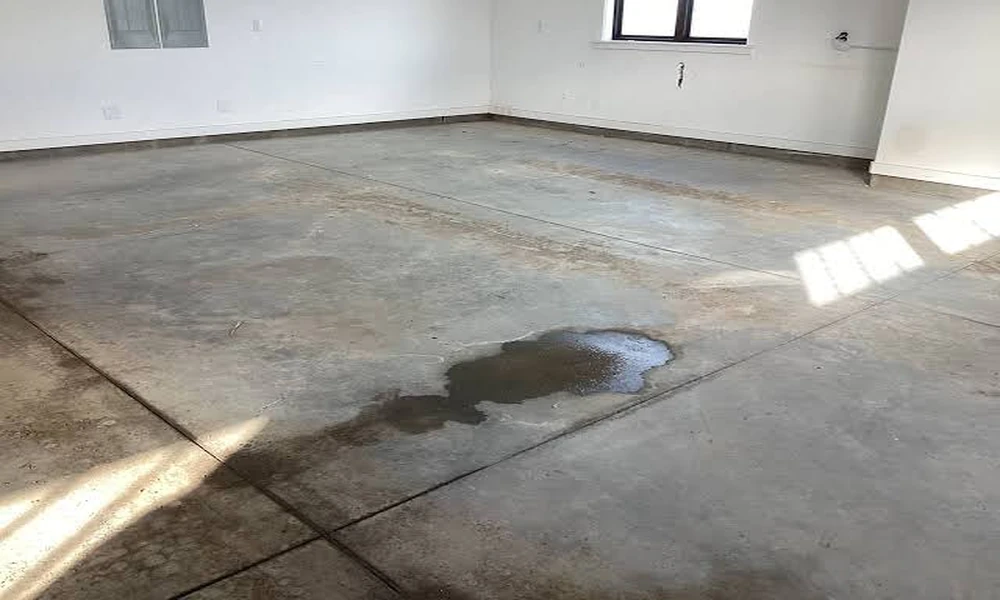
Calgary’s Freeze-Thaw Cycle Damages Concrete
Concrete driveways in Calgary endure some of the most punishing freeze-thaw cycles anywhere in Canada. Winter temperatures swing from deep cold to sudden thaws within days, and that constant expansion and contraction puts real stress on concrete slabs. Water seeps into hairline cracks, freezes, expands, and widens the damage each time the cycle repeats. This pattern is especially hard on driveways poured with mixes not suited to the region’s specific freeze-thaw intensity. Over a few seasons, what started as a barely visible line can turn into a spalled, uneven surface that catches shovels and trips up guests.
Homeowners often notice the damage only after it becomes a safety hazard or an eyesore near the front entrance. Salt used for de-icing accelerates the problem by drawing moisture into the concrete and corroding any embedded rebar or wire mesh. Poor drainage compounds the issue, since water that pools near the garage or front step has nowhere to go but into the slab itself. Even a driveway that looks fine from a distance can hide subsurface damage that only becomes obvious once the slab starts to heave unevenly. By the time cracks reach a quarter inch or wider, the underlying base has usually shifted as well, which means surface patching alone will not hold.
Beyond DIY Fixes: Professional Assessment Matters
Addressing this kind of damage requires more than a bag of patching compound from a hardware store. A proper assessment looks at the base material beneath the slab, the drainage pattern around the property, and the extent of any rebar corrosion before deciding whether resurfacing or full replacement makes sense. Anyone researching concrete driveway repair in Calgary will find that experienced contractors start with a diagnostic step rather than jumping straight to a patch job. Skipping this evaluation often means paying for the same repair twice within a few years. This shapes everything that follows, from the materials chosen to the expected lifespan of the fix.
Timing plays a role as well. Calgary’s short construction season means contractors often need to schedule concrete work around temperature windows that allow proper curing. Pouring or patching concrete too close to a hard freeze can ruin the finished product before it ever has a chance to bond properly. Crews familiar with local conditions build extra buffer time into their schedules rather than rushing a pour to meet a deadline. A knowledgeable crew will also test the soil compaction under the driveway, since a settled or eroded base is one of the most common reasons repairs fail within a year or two.
Questions to Ask Before Hiring a Contractor
Homeowners evaluating a contractor should ask specific questions rather than accepting a quick verbal estimate. Ask how the crew plans to handle control joints, what curing time they recommend given the season, and whether they test for base stability before pouring. A contractor who cannot explain their approach to drainage or reinforcement is likely offering a cosmetic fix rather than a lasting one. It also helps to ask whether the crew carries insurance and offers any written warranty on the finished work. Photos of past driveway projects, ideally ones several winters old, tell you more about durability than any sales pitch.
Industry standards offer a useful benchmark for comparison. Much of the current best practice around mix design, joint spacing, and curing time traces back to Portland Cement Association guidance, which many contractors still reference when training crews or selecting materials. A driveway built or repaired to those standards should handle several winters of freeze-thaw cycling without significant new cracking. Reviewing these standards before hiring anyone gives homeowners a practical way to compare bids that otherwise look similar on paper. Homeowners who ask contractors whether their methods align with these established guidelines often get a clearer sense of who takes the work seriously and who does not. In the end, a driveway is one of the largest exposed concrete surfaces on most properties, and it deserves the same attention to detail as any other structural repair around the home.