


Have you ever noticed how waking up to natural sunlight just feels right? That’s because your body’s circadian rhythm, an internal clock, thrives on cues from light. This rhythm controls when you feel alert, sleepy, or somewhere in between. Unfortunately, in today’s world of artificial lighting and long screen time, our natural cycles can get thrown out of sync.
Quantum lighting is a modern yet attainable way to bring balance back to your bedroom lighting for better sleep and overall well-being.
And the best part? You can easily set it up yourself.
What is Quantum Lighting?
Quantum lighting is an advanced LED technology that mimics natural light by adapting its color and intensity to match your circadian phases. It’s not just a fancy gimmick, it’s rooted in science. Throughout the day, natural light shifts from cool, blue tones in the morning to warm, amber hues in the evening, signaling your body’s different activity phases. By recreating these shifts, quantum lighting helps your brain and body stay better aligned with their natural rhythm.
DIY Hacks to Set up Quantum Lighting in Your Bedroom
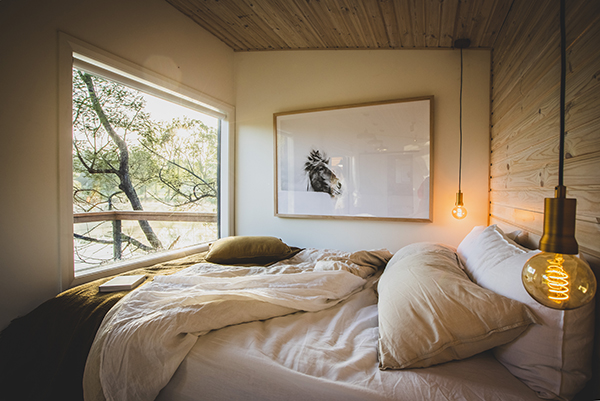
Start with the Lightbulbs
Invest in smart LED bulbs or circadian lighting systems that allow you to adjust both brightness and color temperature. Look for bulbs that shift from cool white light (5000-6500K) to warm amber tones (2500-3000K). Install these in your bedside lamps or overhead fixtures for maximum effect. Many smart bulbs can be controlled via apps or voice commands, making it easy to customize your lighting throughout the day.
Create “Light Zones” in Your Bedroom
Divide your bedroom into zones based on the type of lighting needed. For example, use overhead or desk lighting for morning tasks and pair it with cool, energizing light. For evenings, switch to bedside lamps or dimmable wall lights with warmer tones to encourage relaxation.
Program Your Lighting Schedule
Apps and smart lighting hubs like Philips Hue, LIFX, or Wyze allow you to program gradual lighting changes throughout the day. Set your lights to mimic sunrise in the morning, transitioning to energizing daylight during peak hours and warm evening tones closer to bedtime. This mimics natural light patterns and keeps your body in sync.
Add Decorative Light Elements
String lights, salt lamps, or LED strips with adjustable tones can be a playful and functional addition. You can use them to outline your headboard, window frame, or shelving. Choose warm, soft light for this purpose, which not only looks great but keeps the evening ambiance cozy and sleep-friendly.
Block the Wrong Light Sources
While upgrading your lighting setup is important, you also need to eliminate disrupting light sources. Invest in blackout curtains to block outdoor artificial light from entering your bedroom. In addition, minimize or turn off screen usage (such as TVs, tablets, or phones) at least an hour before bedtime, as these emit blue light that can mess with your circadian rhythm.
Experiment with Color Psychology
Quantum lighting isn’t just about warmth or brightness, you can also play with gentle color variations to set a mood. Soft pink or amber hues can promote relaxation and creativity, while pale blues or greens offer a sense of calm.
Conclusion
By adopting these DIY quantum lighting hacks, you’re helping create an environment your body recognizes as restful and restorative. Over time, you’ll likely notice improvements in how you fall asleep, how deeply you stay asleep, and how energized you feel upon waking. These simple adjustments turn your bedroom into not just a sleep space, but a sanctuary attuned to your natural biological rhythms.