

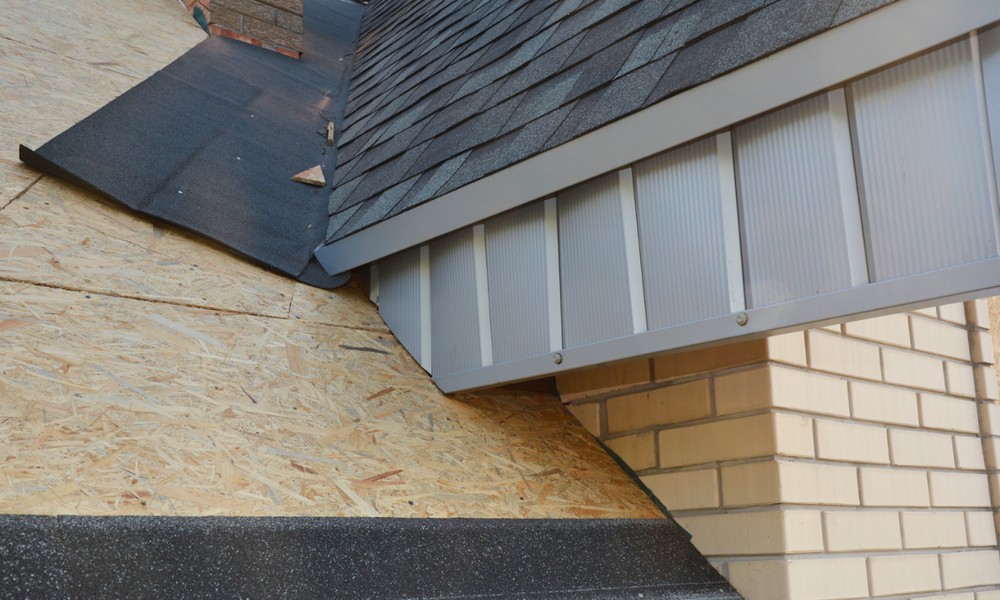
Fascia boards don’t get much attention-until they start peeling, warping, or rotting. But fascia is doing quiet, constant work: it caps the roof edge, supports the gutters, protects the rafter tails, and helps keep moisture and pests out of the roofline.
If you’re replacing fascia, the biggest decision usually comes down to wood vs. composite materials. “Composite” can mean several things (PVC, engineered wood, fiber cement, aluminum wrap systems), and each has tradeoffs in price, durability, and upkeep.
Below are nine practical fascia options to consider, with a clear look at cost, lifespan, and maintenance so you can choose what fits your home and climate.
Traditional solid wood (pine or spruce)
Cost: Low to moderate
Lifespan: Moderate (highly dependent on paint and moisture control)
Maintenance: High
Solid wood fascia is common because it’s affordable, easy to cut, and widely available. The downside is that it’s vulnerable to water intrusion-especially behind gutters and at corners. If paint fails or water runs behind the gutter line, rot can start quickly.
Best for: Budget-conscious projects where you’re committed to proper prep, painting, and periodic touch-ups.
Cedar or redwood (naturally rot-resistant wood)
Cost: Moderate to high
Lifespan: Long (when properly sealed/finished)
Maintenance: Medium
Cedar and redwood naturally resist decay and insects better than standard pine. That makes them appealing in areas with frequent rain, heavy shade, or older rooflines that see recurring moisture. They still need finishing to prevent checking and weathering, but they’re more forgiving than softer woods.
Best for: Homeowners who want a premium wood look with better durability.
Finger-jointed primed wood
Cost: Low to moderate
Lifespan: Moderate
Maintenance: Medium to high
Finger-jointed fascia is made from shorter wood pieces joined together and sold pre-primed. It’s typically straighter and more uniform than cheap solid boards, which can help with clean lines. However, if moisture gets into joints (often at cuts or nail penetrations), the board can swell or separate.
Best for: Straight fascia runs where careful sealing of all cuts and fasteners is part of the plan.
Engineered wood fascia (treated composite wood)
Cost: Moderate
Lifespan: Moderate to long
Maintenance: Medium
Engineered wood products are designed to be more stable than standard lumber. Many are treated to resist moisture and insects, and they tend to stay straighter with fewer knots. They still require paint, and edges must be sealed properly to prevent water absorption.
Best for: Homeowners who want improved stability without going fully synthetic.
PVC fascia board (cellular PVC)
Cost: Moderate to high
Lifespan: Very long
Maintenance: Low
PVC fascia is a popular “composite” choice because it won’t rot, won’t absorb water, and doesn’t attract insects. It’s great for roof edges that have historically seen moisture problems. The tradeoff is cost-and the fact that it expands and contracts with temperature, so it must be installed correctly to avoid waves or gaps.
Best for: Wet or humid areas, homes with recurring fascia rot, and homeowners who want minimal upkeep.
Fiber cement fascia
Cost: Moderate
Lifespan: Long
Maintenance: Low to medium
Fiber cement is tough, stable, and resistant to fire, insects, and rot. It holds paint well and performs strongly in harsh sun or varied seasons. It is heavier than wood or PVC and can be more labor-intensive to cut and install, which can raise labor costs.
Best for: Homes that need durability and stability, especially in sun-exposed or storm-prone areas.
Aluminum fascia wrap (capping over wood)
Cost: Moderate
Lifespan: Long (depends on what’s underneath)
Maintenance: Low
Aluminum wrap isn’t a replacement fascia board by itself-it’s a protective cap installed over an underlying wood fascia. It can look clean and reduce repainting needs. But if the wood underneath is already soft or rotting, wrapping it doesn’t solve the problem-it can hide it.
Best for: Fascia that is structurally sound but needs weather protection and less maintenance.
Coated metal fascia systems (steel or premium aluminum trim)
Cost: Moderate to high
Lifespan: Long
Maintenance: Very low
Some homes use more robust metal trim systems designed to resist warping and provide a crisp roofline. These can be excellent in climates with heavy rain or intense sun, but they require skilled installation and careful detailing around corners and transitions to prevent water intrusion.
Best for: Homeowners prioritizing long-term durability and a sharp finished look.
“Hybrid” approach: composite where it matters most
Cost: Variable
Lifespan: Optimized
Maintenance: Low to medium
Many pros don’t treat fascia as an all-or-nothing decision. A smart approach is using wood on protected runs and upgrading to PVC or fiber cement in high-risk zones-like roof valleys, behind heavy gutter flow, shady corners, or areas with repeated leaks.
Best for: Homeowners balancing budget with long-term performance-especially when only certain sections keep failing.
What matters most: the install details
Material choice is huge-but failures often come from the same causes regardless of material: water running behind gutters, missing or incorrect drip edge, poor sealing of cuts, and gutters pulling loose because the fascia isn’t solid.
That’s why fascia board installation should always include:
- Checking for hidden rot behind gutters
- Proper integration with drip edge/flashing
- Sealing cut ends and penetrations
- Confirming gutter attachment has solid backing
- Keeping lines straight for clean pitch and drainage
If you’re willing to paint and maintain, wood can be a cost-effective solution. If you want the lowest maintenance and strongest resistance to rot, composites like PVC, fiber cement, or well-designed metal trim systems can be worth the upgrade-especially in problem areas.
The best fascia choice is the one that matches your home’s moisture exposure, your maintenance tolerance, and the reality of how water moves at your roof edge.