

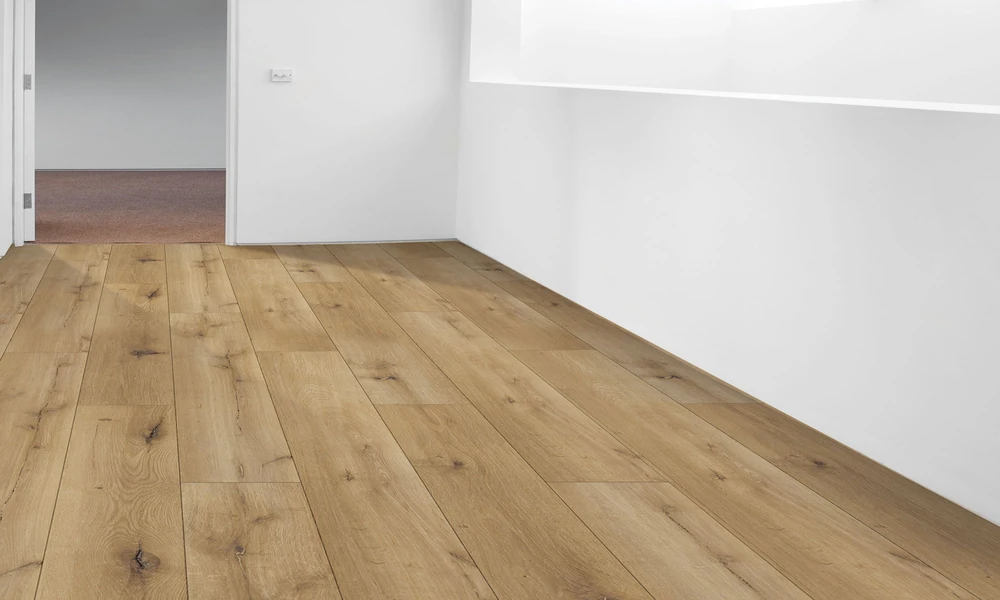
Flooring choices carry more weight than most realize. The right option can elevate a room’s look, withstand daily traffic, and even impact air quality over years of use. Among the modern contenders, SPC flooring and vinyl planks often top the remodeler’s shortlist. While they might appear similar at a glance, their unique constructions, performance traits, and costs set them apart.
Understanding SPC Flooring and Vinyl Planks
What is SPC Flooring? Composition and Features
SPC stands for Stone Plastic Composite. This flooring is engineered with a dense core made from limestone powder, polyvinyl chloride, and stabilizers. The result is a rigid, ultra-durable plank that resists indentation and warping. Most SPC floors include a UV-coated wear layer, decorative vinyl top, core, and an attached underlayment for comfort and sound absorption.
What are Vinyl Planks? Composition and Features
Vinyl planks, often called LVP (Luxury Vinyl Plank), rely on a flexible PVC core. They mimic the look of wood or stone but flex more easily than SPC. Layers typically include a protective wear coat, the printed design, the core, and sometimes a backing. They’re softer underfoot and slightly warmer to the touch.
Common Uses and Popularity
Both options are favorites for busy households and commercial spaces. SPC’s rock-solid core thrives in kitchens, bathrooms, and basements where moisture or traffic is a concern. Vinyl planks are popular for bedrooms and living areas, appreciated for their comfort and broad design range.
Material and Construction Differences
Core Composition: Stone Plastic Composite vs. Vinyl
The biggest distinction lies in their cores. SPC’s stone-plastic composite gives it rigidity and stability, while vinyl planks’ PVC core makes them more flexible. This difference impacts feel, installation, and performance under stress.
Thickness Variations and Impact on Durability
SPC flooring is generally thicker, with options from 4.2 mm up to 8 mm, as seen in lines like “SPC Whistler” (7 mm) and “Leeds Castle” (8 mm). Vinyl planks range from around 2 mm to 6.5 mm. Thicker planks tend to resist dents and wear better, making SPC a top pick in high-traffic zones.
Wear Layer and Surface Protection
Both SPC and vinyl planks feature protective wear layers, but SPC’s rigid core allows for a denser, more resilient surface. High-quality options offer enhanced scratch resistance, which is ideal for households with pets or busy entryways.
Installation Methods and Requirements
Click-Lock vs. Glue-Down Systems
SPC flooring typically uses a click-lock floating floor system, snapping securely into place without adhesives. Vinyl planks can be click-lock or glue-down, depending on the manufacturer and intended use.
Subfloor Compatibility and Preparation
Rigid SPC can hide minor subfloor imperfections, while flexible vinyl planks require a smoother, more even base to avoid telegraphing flaws. This makes SPC less demanding for DIY installers.
DIY Friendliness and Professional Installation
Both flooring types are considered DIY-friendly, but SPC’s click system and forgiving nature are a draw for first-time installers. Glue-down vinyl planks may require more experience or professional help.
Durability and Performance Comparison
| Feature | SPC Flooring | Vinyl Planks |
|——————–|———————–|———————–|
| Core Material | Stone-plastic composite| Flexible PVC |
| Thickness Range | 4.2 mm – 8 mm | 2 mm – 6.5 mm |
| Water Resistance | 100% waterproof | Highly water-resistant|
| Scratch Resistance | Excellent | Very good |
| Impact Resistance | Superior | Good |
| Longevity | 15-25 years | 10-20 years |
Water Resistance and Moisture Handling
Both options excel in wet areas, but SPC’s core is truly waterproof, making it ideal for bathrooms, basements, and kitchens. Vinyl planks are also water-resistant but may be more susceptible to edge curling over time if submerged.
Scratch, Impact, and Wear Resistance
SPC shines in busy households with kids, pets, or heavy furniture, resisting scratches and dents better than its more pliable cousin. Vinyl planks still perform well but can develop impressions with prolonged pressure or sharp objects.
Longevity and Maintenance Needs
Routine sweeping and occasional mopping keep both floors looking sharp. SPC’s durability means fewer replacements, making it a smart long-term investment in challenging environments.
Aesthetic Options and Design Flexibility
Color, Texture, and Pattern Variety
Design has come a long way for both categories. SPC and vinyl planks offer a stunning range of wood and stone visuals, textured surfaces, and trendy hues to match any décor.
Realism in Wood and Stone Look-Alikes
Advances in printing deliver hyper-realistic grains, knots, and veining. However, the denser structure of SPC allows deeper embossing, giving it a slight edge in authentic texture.
Customization and Trends
Both options keep pace with design trends, from wide-plank farmhouse looks to marble-inspired stone. Custom lengths, widths, and finishes abound, especially in premium lines.
Cost Analysis and Value for Money
| Cost Factor | SPC Flooring | Vinyl Planks |
|—————————|———————|——————-|
| Material Cost (sq ft) | Moderate – High | Low – Moderate |
| Installation Cost | Lower (DIY-friendly)| Similar |
| Maintenance/Replacement | Low | Moderate |
| Lifespan | Longer | Slightly shorter |
Upfront Material and Installation Costs
Vinyl planks generally cost less per square foot. However, SPC’s extended lifespan and resilience offer better value in high-traffic or moisture-prone spaces.
Long-Term Savings from Maintenance and Replacement
Fewer repairs and replacements mean SPC flooring can save money over decades, especially in busy environments.
Budget Considerations and Where Each Excels
Tight budgets or short-term projects may favor vinyl planks, while SPC is the go-to for lasting, all-purpose performance.
Environmental and Health Considerations
Material Sustainability and Recyclability
Both SPC and vinyl products use synthetic materials. Some newer lines incorporate recycled content or are themselves recyclable, but check manufacturer claims.
VOC Emissions and Indoor Air Quality
Low-VOC certification is becoming standard. Look for floors that meet indoor air quality benchmarks to ensure a safer home.
Certifications and Eco-Friendly Options
Products carrying FloorScore or GreenGuard certifications provide extra peace of mind for sensitive occupants.
Choosing Between SPC Flooring and Vinyl Planks
For moisture-prone areas, energetic families, or anyone seeking maximum durability, SPC flooring takes the lead. Its robust construction, waterproof nature, and resistance to scratches make it a favorite for kitchens and bathrooms. Vinyl planks, on the other hand, deliver great visuals and comfort at a lower cost, making them suitable for bedrooms or living rooms.
Experts often recommend reviewing real-life samples and exploring trusted brands, such as Club Ceramic spc flooring, to compare quality and style in person before making a final choice. Ultimately, consider your room conditions, household activity, and long-term plans to find the perfect match for your space.