

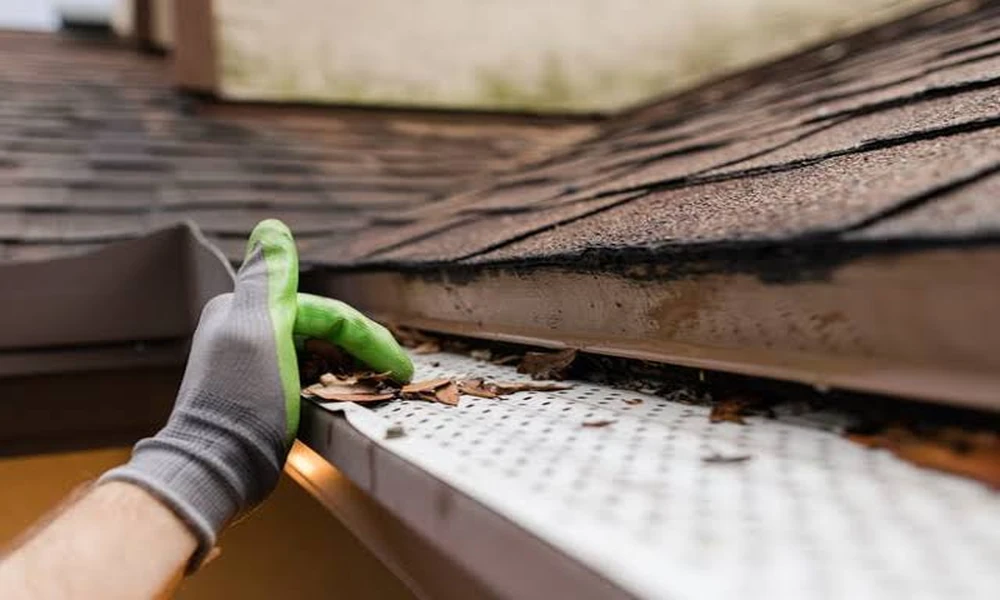
After a July thunderstorm rolls through south Metro Atlanta, there is a small pile of something at the mouth of most downspouts. It looks like coarse black sand. Most people rinse it off the driveway without a second thought. That sand is a message, and it is usually the first one a roof sends.
Roofs rarely fail all at once. They leave a trail of small evidence around the house for years, in the gutters, on the shaded slope, up in the attic, and even inside the insurance policy sitting in a kitchen drawer. Homeowners who learn to read that trail tend to spend far less, because they catch the problem while it still costs a repair instead of a replacement.
Roofers who work these neighborhoods every week, like the crew at ExP Roofing LLC in Morrow, see the same pattern across Clayton, Henry, DeKalb and Fulton counties. The homes that end up with rotted decking almost always showed the early clues first. Nobody was looking at the right places.
So here is where to look, starting with the smallest clue and working up to the biggest.
The Sand at the Bottom of the Downspout
Those black grains are ceramic granules that coat asphalt shingles. They shield the asphalt underneath from ultraviolet light. In an Atlanta summer, roof surfaces in full sun can reach 140 to 160 degrees, which softens the asphalt binder so the granules loosen and wash away in the next downpour.
A handful after a storm on a newer roof is normal, since manufacturers apply extra. A steady stream year after year means something else. It means the shingles are going bald, and bald shingles crack, curl and lose their ability to shed water. If you can see smooth dark patches from the yard, especially on the south and west faces, the roof is aging faster than its label promised.
Streaks on the Shady Side
Walk around to the north facing slope. Dark streaks running downward are usually Gloeocapsa magma, an algae that thrives in humidity that often sits between 70 and 90 percent during summer. It feeds on the limestone filler inside many shingles.
Algae on its own is mostly cosmetic, though it does make a roof absorb more heat. Moss is the real concern. It grows in green tufts, holds water against the shingle like a sponge and lifts the edges so rain can creep underneath.
A few simple habits keep it in check.
- Trim branches so sunlight can dry the roof after rain
- Ask about zinc or copper strips near the ridge, which release ions each time it rains and discourage growth
- Choose shingles with copper infused granules when replacement time comes
- Never pressure wash a shingle roof, because it strips granules faster than any storm
Pine Straw in the Valleys
Metro Atlanta sits under one of the densest urban tree canopies in the country, and oak, pine and sweetgum all drop something onto roofs. Pine needles are the sneakiest. They pack into the valleys where two roof slopes meet and into the gutters, forming a wet mat that never fully dries.
The region averages more than 50 inches of rain a year, and summer storms can dump two or three inches in an hour. When gutters are clogged, that water backs up into the valleys and under the flashing. Neighborhoods like Roswell and Marietta, with heavy pine cover, may need gutter cleaning several times a year rather than once each fall.
Up in the Attic on a Summer Afternoon
This is the clue most people never check. Climb up with a flashlight on a hot afternoon and look at three things.
- The nail tips poking through the roof deck. Rust on them means warm, moist air is condensing there regularly.
- The underside of the plywood. Dark staining or a soft spot when pressed points to trapped moisture.
- The air itself. If it feels like a sauna with no breeze moving through the soffit vents, heat is baking the shingles from below.
Poor ventilation is a double problem in Georgia. It shortens shingle life from the inside and pushes cooling bills higher, since the heat radiates down into bedrooms. Older homes in Decatur and North Druid Hills often have limited attic airflow, and hidden rot beneath perfectly normal looking shingles is common there.
The Bruise You Cannot See From the Driveway
Spring brings hail and straight line winds that can gust past 60 miles per hour. Hail does not always punch holes. More often it leaves a bruise, a soft spot where the granules are knocked loose and the mat underneath is fractured. From the ground, the roof looks fine.
Wind works the same way. A gust may lift a shingle just enough to break its adhesive seal, then drop it back into place. It looks untouched, but the next storm drives rain right under it. Late summer adds hurricane remnants that soak the metro for days and expose any weak spot the spring left behind. This is why an inspection after a major storm matters even when nothing seems wrong.
The Clue Hiding in Your Paperwork
The biggest clue has nothing to do with shingles. It is printed on your insurance declarations page.
Many Georgia policies quietly shift from replacement cost value to actual cash value once a roof passes 10 to 15 years. Under actual cash value, the payout is reduced for depreciation. On a roof costing around $14,000 to replace that is 15 years into a 25 year lifespan, a settlement could land near $5,000 to $6,000 before the deductible. Insurers increasingly confirm roof ages through permit records and aerial imagery, so guessing is not an option.
The upside is real too. Class 4 impact resistant shingles can earn premium discounts that some Georgia carriers put at 20 to 30 percent, and metal roofing can qualify for savings as well. Homes built to the FORTIFIED roofing standard may also qualify for discounts through the Georgia Underwriting Association. For anyone near the replacement window, those numbers can shift the math considerably.
Reading the Whole Trail Together
A single clue rarely means a new roof. Several clues together tell a clearer story. A simple twice a year walk, once in April after the storm season starts and once in October after the leaves fall, covers most of it.
- Check downspouts for heavy granule piles
- Scan every slope for streaks, moss and lifted edges
- Clear valleys and gutters of pine straw
- Visit the attic for rust, stains and stale heat
- Look at ceilings near chimneys, skylights and vent pipes for faint rings
- Confirm your roof’s age and how your policy treats it
When the granules, attic and paperwork all point the same direction, it is time to talk replacement and material choice. When only one or two show up, a repair, a cleaning or better ventilation often buys years. Either way, the roof was talking long before the first drip. The trick is simply listening while it is still whispering.