Factors such as elevation, sudden temperature swings, and a semi-arid climate make pest infestations common in Denver. While older buildings and homes across Capitol Hill, Cheesman Park, Highlands, Baker, and Five Points are at a higher risk, suburban areas, such as Central Park (Stapleton), Green Valley Ranch, Lakewood, Aurora, Arvada, and Parker, aren’t safe either. The freeze–thaw cycles here widen entry gaps, allowing many species to migrate.
When it comes to pest control in Denver, DIY isn’t enough. You need a professional company like Saela Pest Control that specializes in dealing with local infestations in Denver and is always accessible for immediate help. Here’s why expertise is critical for protecting your property.
- Climate is a culprit: Freeze–thaw cycles break the barrier briefly created by regular pest products. While there may be relief for a few days, the expected benefits won’t last. Warm days also cause pests to arrive early, and outdoor DIY products are washed down the drain after thunderstorms during afternoons, which are common in this part of Colorado.
- DIY cannot fix structural concerns: Older properties in Capitol Hill and Baker often have wall voids, and most products you will find in the local store cannot reach there. Finding cracks in properties that have stucco exteriors can be a real challenge unless checked and fixed by professionals.
- Resistance to regular products: Many local species are resistant to regular products. A good example of that would be pavement ants that don’t fall for DIY baits. Black widows and wolf spiders can also avoid treated surfaces and hide in other areas. Rodents are common in urban corridors, so just traps won’t suffice.
- Neighborhood density defeats DIY efforts: People who live in row homes and duplexes try DIY ideas in vain, because treating just one unit never fixes the problem. Reinfestations are also common in apartment corridors, especially in areas like Uptown and LoDo. Urban pests easily migrate, and things are beyond the control of average homeowners.
- Professional tools are a must: New zones in Denver have exposed soil where ground-nesting ants grow and breed. Deep application and choosing the right products are essential steps, and people don’t usually have the tools or expertise. Most surface-only DIY treatments are meant for quick fixes and not proper elimination/removal.
- Professional exclusion is a must: As far as rodents like rats and mice are concerned, you cannot place a trap and assume the problem is gone. These species exploit structural vulnerabilities, which means that unless you fix entry points, new rodents will continue to get inside.
- Safety risks of DIY: Let’s also not forget that overapplication or wrong use of chemicals and pesticides inside basements, kitchens, and closed rooms can be risky. People usually don’t know how to identify a species or what product to use, and DIY efforts only worsen the situation.
Professional treatments in Denver
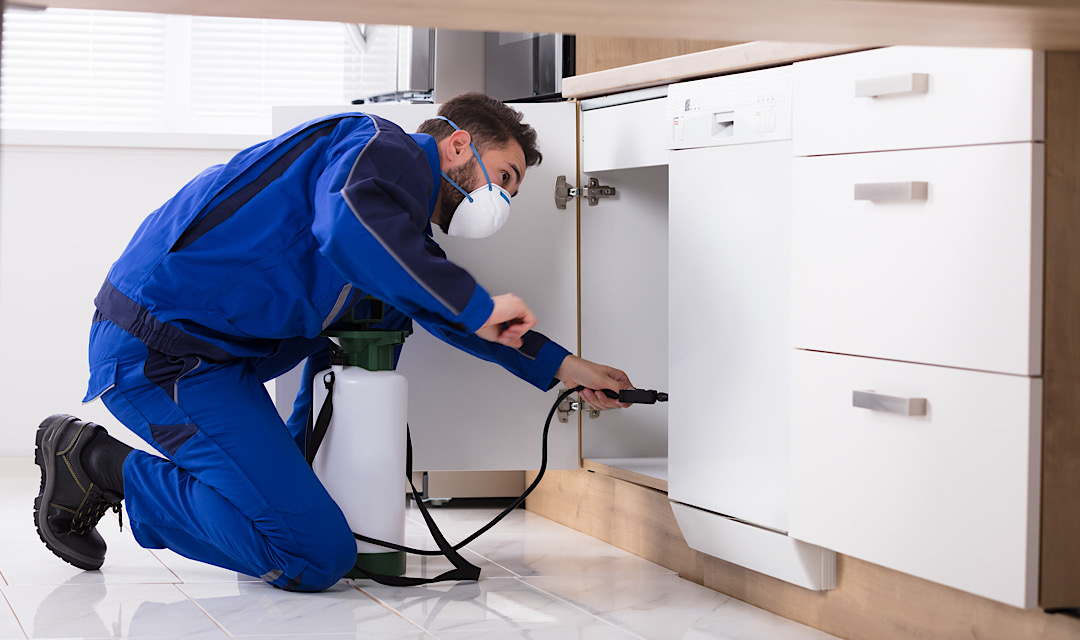
When you decide to call the experts, they will always check the property first. Technicians will spend time finding nesting zones, common areas where problems are thriving, and identifying the species. Next, they will check hidden vulnerabilities that DIY cannot detect, and treatments are always customized for each client. You will also have the option for a preventive plan, which will include early treatments and inspections before the peak seasons, especially spring and winter.
Takeaways
With the right pest control service in Denver, you can expect solutions that last. There is no need to waste your weekends on countering pests when technicians can do the work professionally. They will also follow environmentally-responsible steps, and that means only approved products will be used, and all safety measures will be adhered to. Your home deserves to be safe across seasons, and hiring an exterminator is just the right step.