


Imagine stepping out onto a rooftop in the middle of a bustling city, only to find rows of leafy greens, vibrant tomatoes, and fragrant herbs growing under the open sky. This is the promise of edible green roofs, a fusion of urban agriculture and sustainable architecture that transforms underutilized spaces into productive micro-crop gardens. By elevating farming to the rooftops, edible green roofs offer a groundbreaking solution to some of the biggest challenges facing urban environments today.
The Concept of Edible Green Roofs
At their core, edible green roofs are just like traditional green roofs but with a practical twist. Instead of solely housing plants for decoration or insulation, these roofs are used to grow food. They can range from small herb patches to full-fledged vegetable and fruit gardens, turning otherwise dead space into thriving ecosystems. Whether placed atop residential buildings, offices, or schools, edible green roofs provide an innovative way to bring agriculture closer to where people live and work.
Benefits of Edible Green Roofs
Urban agriculture has gained traction in recent years, thanks to growing concerns about food security, sustainability, and the environmental impact of traditional farming methods. Edible green roofs are at the forefront of this movement, offering numerous benefits that extend beyond just growing food.
Reducing Food Miles
One of the major advantages of edible green roofs is their ability to localize food production. Traditional agricultural systems often rely on transporting produce over long distances, leading to significant energy use and greenhouse gas emissions. Edible green roofs eliminate the need for these food miles by creating a hyper-local food source, reducing the environmental footprint of urban communities.
Boosting Food Security
With urban populations on the rise, ensuring access to fresh, nutritious food is becoming increasingly challenging. Edible green roofs help address this issue by supplementing local food supplies. They provide a steady source of fresh produce that can support residents, schools, or even local businesses. This can be especially critical in food deserts, where fresh, affordable groceries may not be readily accessible.
Enhancing Urban Biodiversity
These rooftop gardens are more than just crops, they are ecosystems. The vegetation draws pollinators like bees and butterflies, contributing to urban biodiversity. Birds and other small creatures can also find shelter among the greenery. By creating habitats for wildlife, edible green roofs help balance urban ecosystems disrupted by development.
Aesthetic and Community Value
Edible green roofs transform urban landscapes, adding lush greenery where concrete once dominated. Beyond their visual appeal, they provide a space for community engagement and education. Residents can come together to plant, tend, and harvest, fostering a sense of connection and collaboration.
Schools and organizations can use edible green roofs as educational hubs, teaching children and adults alike about sustainable food production and ecological responsibility.
The Role of Edible Green Roofs in Sustainability
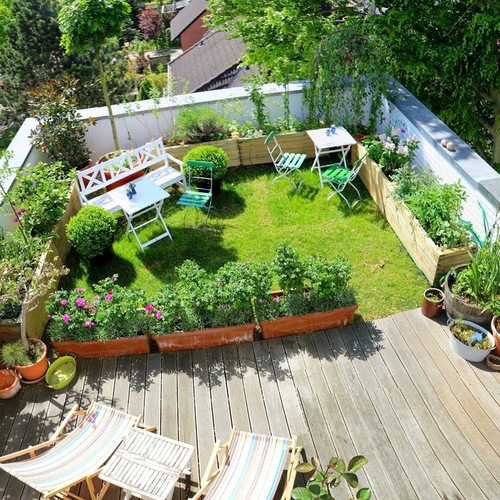
The sustainability benefits of edible green roofs extend far beyond food production. They act as natural insulation for buildings, reducing energy consumption for heating and cooling. These roofs also manage stormwater by absorbing rainfall, easing the burden on city drainage systems. Combined, these features make edible green roofs a multi-functional tool for creating greener, more resilient cities.
Furthermore, edible green roofs play a role in climate action. By incorporating locally grown produce into urban spaces, they help lower carbon emissions. Their vegetation also aids in carbon sequestration, actively removing greenhouse gases from the atmosphere.
Conclusion
The future of sustainable urban farming looks promising, thanks to the potential of edible green roofs. Cities worldwide are beginning to experiment with rooftop farming, boosting the production of fresh food while addressing environmental concerns. From private residential buildings to public spaces, these innovative gardens offer a glimpse into a world where farming is seamlessly integrated into urban living.
By growing food where we live, work, and play, edible green roofs reimagine the relationship between humans, food, and the environment. They promise a healthier, more sustainable future, one rooftop at a time.