

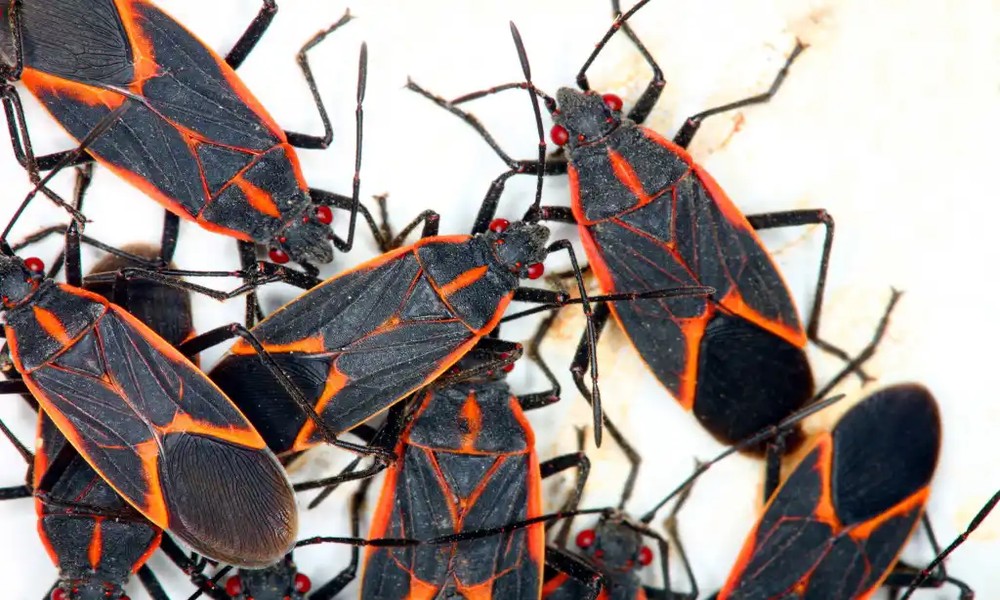
In Iowa, the changing seasons often bring a specific kind of guest to our doorsteps. As the autumn air turns crisp in cities like Des Moines or Bettendorf, you might notice thousands of black and red insects on your siding. These are boxelder bugs.
They are a staple of the Iowa fall experience. While they do not bite or sting, their sheer numbers can be overwhelming. They seem to appear out of nowhere as soon as the temperature drops.
Managing these seasonal invasions can be a real headache. Reliable Pest Solutions knows exactly how these local weather shifts affect insect behavior and can help you seal up your home before these pests find a way inside.
The Science of Seeking Warmth in Iowa
Boxelder bugs are sun-seekers by nature. During the summer, they spend their time high up in boxelder, maple, and ash trees. They feed on seeds and leaves without being noticed.
However, once the Iowa nights get cold, they realize they cannot survive the winter outdoors. They begin looking for a heat source to keep them warm. Your house acts like a giant radiator for them.
The bugs are especially drawn to the south and west sides of Iowa homes. These walls catch the most direct sunlight during the afternoon. The siding absorbs that heat, and the bugs pile on top of each other to soak it up.
Why Color and Material Matter to These Pests
You might notice that your house has more bugs than your neighbor’s house across the street. This often comes down to the color of your exterior. Boxelder bugs are attracted to heat, so dark-colored siding is like a magnet for them.
Darker shades absorb more energy from the sun. Even if your home is a lighter color, materials like brick or vinyl hold onto warmth long after the sun goes down.
In many Iowa neighborhoods, the houses with the most sun exposure become the “community center” for the local bug population. They are looking for the warmest possible spot to huddle together before the first real freeze hits.
Finding a Way Into Your Iowa Living Space
While they love the outside of your walls, their ultimate goal is to get inside. Boxelder bugs are very thin. They can squeeze through tiny gaps around window frames and door seals.
In many older Iowa homes, the foundation may have small cracks that act like an open door. Once they get past the siding, they often settle into the wall voids to stay dormant for the winter.
The problem starts when your indoor heating makes them think it is spring. They might crawl out into your living room or kitchen looking for a way back outside. This is why you might see them crawling on your curtains in the middle of a January snowstorm.
Simple Ways to Deter the Invasion
The best way to handle these bugs is to prevent them from reaching your walls in the first place. You should start by checking the trees on your property. If you have female boxelder trees near your house, you will likely have more bugs.
Trimming branches away from your roofline can help remove their easy access points. You should also look at your window screens and door sweeps. Replacing worn-out seals can make a huge difference in keeping them out.
It is also helpful to use a garden hose to spray them off your siding during the day. This cools down the wall and physically removes the cluster, making your home a less attractive place to gather.
If your Iowa home has become the favorite sunbathing spot for thousands of boxelder bugs, Reliable Pest Solutions is ready to help.
Their experienced team can provide a professional exterior treatment to keep these pests away from your siding. They can also help you identify and seal the entry points to ensure your family enjoys a bug-free winter.