


When it comes to designing a comfortable indoor environment, many people overlook the role that wall textures play in acoustic quality. Sound travels in waves, and the way it interacts with a space can significantly impact how noisy or serene that space feels. Surprisingly, the texture of your walls could make the difference between an echo-filled room and one that feels calm and quiet.
Here’s a closer look at the science behind it and tips for improving acoustics with the right textures.
The Science of Sound and Surfaces
Sound behaves in predictable ways when it hits a surface. It can be absorbed, reflected, or diffused, depending on the characteristics of that surface. Smooth and hard surfaces, like painted drywall or glass, reflect sound waves, allowing them to bounce around a room and create echoes. On the other hand, textured or porous surfaces can help absorb these sound waves, reducing noise and improving acoustics.
The reason wall textures influence sound absorption lies in their physical structure. Textured walls, especially those made with porous materials, create tiny pockets and irregularities that trap sound energy. This reduces the amount of noise reflected back into the room. For example, materials like brick, stucco, or specially designed acoustic panels create a more tranquil environment because they absorb and diffuse sound waves.
Which Wall Textures Help Absorb Sound?
Not all textures are created equal when it comes to sound absorption. Here are a few examples that can help soften noise in any room:
Plaster and Stucco
Plaster and stucco walls have uneven, granular surfaces that reduce sound reflection. They scatter sound waves and can absorb enough energy to improve a room’s acoustics while adding a touch of rustic charm.
Textured Wallpaper
Thick, embossed wallpaper can soften sound without requiring major renovations. Today, some wallpapers are made with foam or acoustic properties in mind, combining style with functionality.
Fabric Panels and Acoustic Wall Coverings
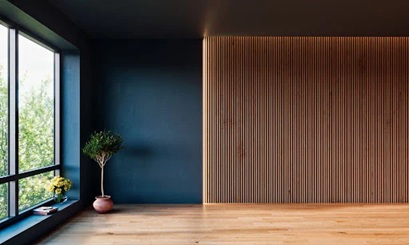
Fabric surfaces and specialized wall coverings are excellent for absorbing sound waves. These are particularly popular in offices or media rooms where controlling noise is essential.
Wood and Wood Paneling
Wood absorbs sound at certain frequencies and can create a natural, warm ambiance. However, its effectiveness depends on how smooth or rough the finish is. More textured wood surfaces offer better sound absorption.
Tips for Choosing Wall Textures
If you’re looking to improve sound absorption in a space, choosing the right wall textures is key. Here’s how you can make your walls work to your acoustic advantage:
- Assess the Room’s Purpose: Quiet spaces like bedrooms or offices benefit from highly absorbent textures, while entertainment areas may need a mix of reflective and absorbent surfaces to balance sound.
- Pair Textured Walls with Soft Furnishings: Rugs, curtains, and upholstered furniture can complement wall textures to enhance a space’s overall sound absorption.
- Add Acoustic Panels: If you’re not ready for a large-scale change, acoustic wall panels are a great way to improve sound quality instantly. Many modern options come in stylish designs that fit seamlessly into home or office decor.
- Create a Balance: Complete absorption isn’t always the goal. Use textured surfaces strategically to control echoes while maintaining a lively, vibrant sound.
Conclusion
Wall textures do far more than add visual appeal to a space; they’re also powerful tools for shaping its acoustic experience. From plaster and textured wallpaper to specialized acoustic panels, the right wall surfaces can dramatically enhance the sound quality of your home or office. By understanding how textures influence sound absorption and integrating them thoughtfully, you can design spaces that are not just beautiful but also acoustically comfortable.