

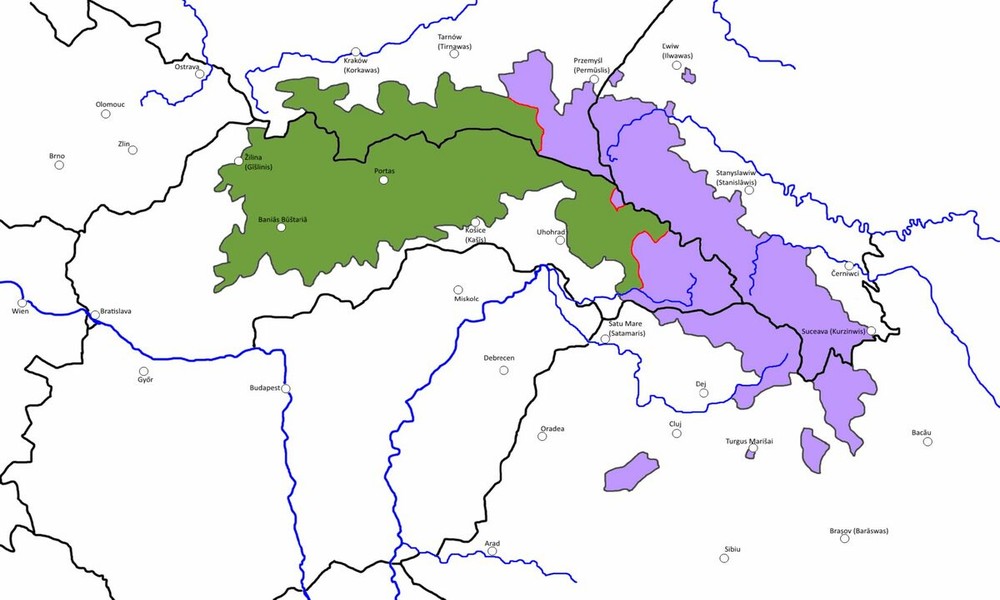
The great green peaks hide ancient secrets. Wind blows through the deep valleys. The rocks echo with old voices. Language shifts like the mountain weather. People here guard their ancient speech. Go Carpathian helps travelers explore these hidden lands. You can hear the past in daily words. Every village holds a distinct tongue. The high ridges protected these unique dialects. Now the old ways face the modern world. Time moves slowly in the high forests.
The Echo of Ancient Tribes
The earliest shepherds left deep linguistic marks. Their words describe the rugged landscape. They spoke of steep cliffs and rushing rivers. The old vocabulary still shapes modern local talk. Isolation kept the original speech patterns pure. The mountains formed a massive natural fortress. Different groups met in the high pastures. They exchanged goods and common expressions. So the distinct linguistic history of the Carpathians began. The heavy mountain air carried these fresh sounds.
Romani and Slavic Blends
New tribes arrived with different traditions. Slavic speakers moved into the low valleys. Their grammar mixed with the native speech. Latin roots also influenced the southern slopes. This unique blend created a colorful dialect map. The sounds became rich and deeply layered. Neighbors learned to understand each other well. Sometimes the words changed between nearby hills. Go Carpathian guides visitors through these cultural zones. The linguistic puzzle grew more complex over time.
Hungarian and Germanic Layers
Royal courts extended their power northward. Hungarian speakers established new frontier towns. They brought administrative terms and trade vocabulary. Later Germanic miners settled in the valleys. They introduced technical words for deep digging. The local speech absorbed these diverse sounds. Yet the core mountain identity remained strong. People adapted the foreign words quite easily. The language became a living historical record. Every sentence tells a story of migration.
The Language of the Shepherds
High altitude life required specific terminology. Shepherds invented terms for specific sheep patterns. They needed words for cheese making styles. These technical terms do not exist elsewhere. The vocabulary belongs strictly to the peaks. Go Carpathian introduces guests to these authentic traditions. Young kids still learn the ancient names. The phrases connect them to ancestral roots. This pastoral code survives across several borders. The mountain culture remains unified through speech.
The Impact of Modern Borders
The outer world eventually reached the valleys. Modern nations drew new political lines. National languages became standard in schoolrooms. The unique local dialects began to fade slowly. Television brought unified speech to remote homes. Young people often leave for big cities. They speak the standard national tongue now. But the old people still whisper secrets. They refuse to forget their mother tongue. The ancient speech fights for survival daily.